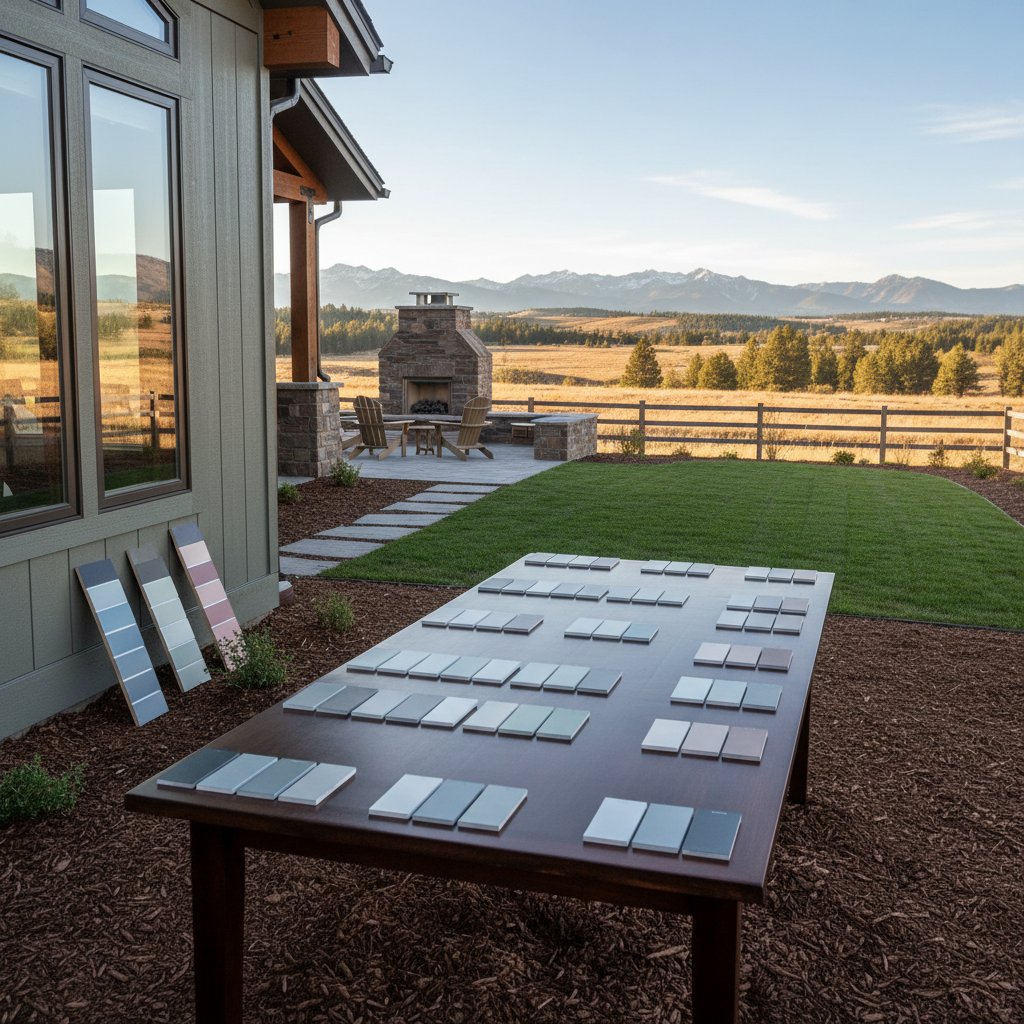
So, you've gone through the color consultation, picked out the perfect shades, and now your home looks fantastic. That's awesome! But here's the thing: paint isn't a 'set it and forget it' kind of deal, especially not here in Bozeman. Our climate, with its brutal winters, hot summers, and intense UV exposure, really puts paint to the test. You've invested in making your home look good, so let's talk about how to protect that investment and keep your colors looking sharp.
Extending Your Paint's Lifespan in Big Sky Country
The biggest thing you can do to make your paint job last longer starts even before the first brush stroke: good prep and quality materials. We always stress this at Bozeman Painting Company. But once the paint's on, it's all about protection. Think about those south-facing walls that get hammered by the sun all day, or the eaves that catch every bit of snow melt. Those areas definitely need extra attention.
- Keep it Clean: Dust, pollen, and even exhaust from the road can build up on your exterior paint. A gentle wash once a year, maybe in spring after the snow's gone, can do wonders. Just use a soft brush or a low-pressure setting on your hose with a mild detergent. Don't go crazy with a power washer; you could damage the paint or even force water behind the siding.
- Manage Moisture: This is huge in Montana, right? Make sure your gutters are clean and draining properly, pushing water away from your foundation and walls. Leaky gutters or downspouts splashing directly onto a painted surface will wear it down faster, sometimes causing ugly streaks or even peeling. Check your sprinklers too – you really don't want them constantly spraying your house.
- Trim Landscaping: Bushes and trees rubbing against your house will scratch up the paint over time. Keep them trimmed back a few inches. Plus, it improves air circulation, which helps prevent mildew.
What Regular Maintenance Looks Like
Beyond the annual wash, you should be doing a visual inspection of your home's exterior at least twice a year, ideally in spring and fall. Walk around your house, really look at it. Pay attention to the areas that get the most sun or the most moisture.
- Spring Check-Up: After the snow melts, look for any signs of winter damage. Ice dams can really do a number on fascia and soffits. Check for peeling, blistering, or cracking, especially on trim boards and window frames.
- Fall Prep: Before winter sets in, make sure any small issues are addressed. You don't want a tiny crack turning into a big problem when it freezes and thaws repeatedly. And clean those gutters!
- Interior Touch-Ups: Inside, it's usually less about the elements and more about daily life. Scuffs, dings, and fingerprints happen. Keep a small amount of your original paint for touch-ups. Just make sure the surface is clean before you dab on new paint.
Warning Signs You Can't Ignore
Your paint job will tell you when it's struggling. You just have to know what to look for. Ignoring these signs will only lead to bigger, more expensive problems down the road.
- Fading: This is common, especially on darker colors exposed to our intense Bozeman sun. If your paint looks significantly duller or lighter than it used to, particularly on one side of the house, it's a sign the UV protection is breaking down.
- Chalking: If you run your hand across the paint and get a powdery residue, that's chalking. It's a natural breakdown of the paint film, and while some is normal, excessive chalking means the paint is losing its integrity.
- Cracking, Peeling, or Blistering: These are clear indicators of paint failure. Cracks let moisture in, peeling means the paint isn't sticking, and blisters usually point to moisture trapped under the paint. Don't let these go.
- Mildew or Mold: Dark, splotchy spots, usually in shaded or damp areas (like under eaves or on the north side of a house in a wooded lot near Hyalite), mean moisture is hanging around too long. It's not just ugly; it can damage the material underneath.
When to Call a Professional
You can handle a lot of the basic maintenance yourself, but there are times when you really need to call in the pros. If you see widespread peeling or cracking, especially on multiple sides of your house, it's probably time for a repaint. Don't try to just spot-fix large areas; it rarely looks good or lasts.
If you suspect moisture intrusion behind the paint, or if you're dealing with persistent mildew that won't go away with cleaning, that's a job for us. We can figure out the root cause and recommend the right solution, whether it's a specific primer, a different type of paint, or even suggesting you get a roofer or siding contractor involved. Sometimes, it's not just a paint problem, but a bigger issue with your home's envelope. We've seen it all, from hail damage to improperly flashed windows letting water in.
A good paint job, especially one done with quality materials and proper prep, should last a long time. But a little maintenance and knowing when to call in the cavalry will ensure those beautiful colors you picked out keep making your home shine for years to come.