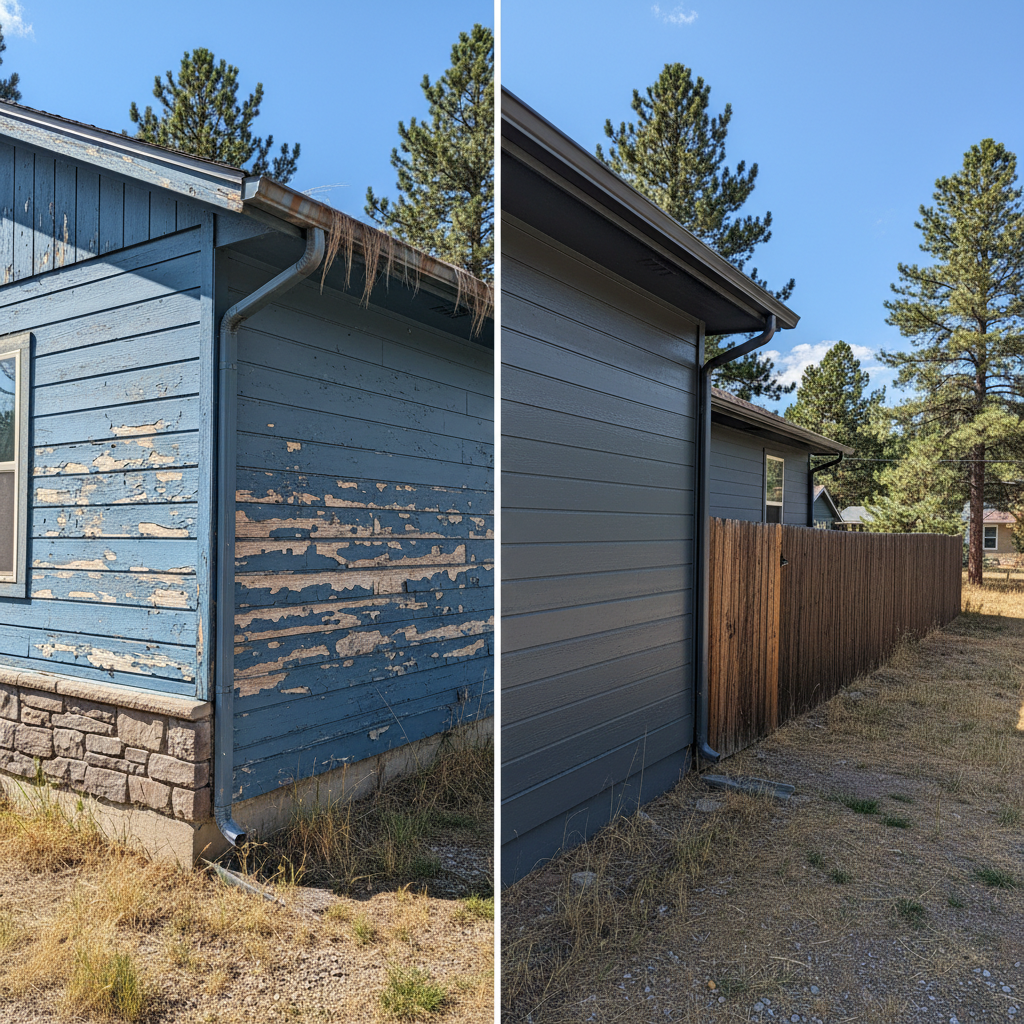
So, you're thinking about painting your house, right? Maybe it’s a brand-new place in the Valley West area, or you're just giving an older spot downtown a fresh look. One of the first big questions that pops up, especially if you're tackling the whole exterior, is how the paint actually gets onto the walls. We're talking spray versus brush and roll here, and honestly, it's not as simple as just picking one.
The Spray Method: Quick, Smooth, But What Else?
Spraying paint is definitely fast, no argument there. When we're working on a big commercial building, or a large, fairly flat residential exterior, spraying can cover a ton of ground in a hurry. It leaves a really smooth, even finish, which looks fantastic on modern homes or certain types of siding. Just picture those sleek, contemporary houses popping up all over Bozeman – they often look best with a sprayed finish because it hides brush strokes and roller marks.
The downside? Well, overspray is a big one. You've got to protect absolutely everything that isn't supposed to get painted – windows, landscaping, concrete, even your neighbor's car if it's parked too close. That means a lot of masking and tarping, which takes time and materials. If you're not careful, or if the wind picks up (and when *doesn't* it in Montana?), you can easily end up with paint where you don't want it. Also, while it's fast to apply, you often need multiple thin coats to build up enough film thickness for good durability, especially with our harsh sun and wild temperature swings. A single sprayed coat might look good initially, but it might not hold up as well over time without proper application.
Brush and Roll: The Classic Way to Go
Now, brush and roll – that's the tried-and-true method. It's slower, no doubt about it. You're physically working the paint into the surface with a brush, then spreading it out evenly with a roller. This approach really pushes the paint deep into the pores of the siding, whether it's wood, stucco, or fiber cement. That deep penetration means much better adhesion, and that translates directly to better durability. It builds a thicker, tougher paint film with fewer coats than spraying often needs.
For older homes, or places with a lot of intricate trim work, brush and roll is often the only way to get a clean, precise job. You don't have the same worries about overspray, so masking isn't nearly as intense. The finish might show a slight texture from the roller nap, but for most homes, especially those with traditional siding, it's a perfectly acceptable and often preferred look. The biggest drawback? The time it takes. It's more labor-intensive, which can sometimes mean a higher upfront cost for the labor part of the job.
Durability and Maintenance in Bozeman
This is where things get real for us in Bozeman. Our weather is no joke. We get intense UV exposure all summer, freezing temperatures and snow in the winter, and those crazy spring winds that can whip anything around. For durability, I've seen brush and roll jobs consistently last longer than spray-only applications over the years, especially on wood siding. That deeper penetration and thicker film just stand up better to the expansion and contraction that comes with our temperature swings.
With good quality paint, a properly applied brush and roll job can easily last 10-15 years, sometimes even more, before needing a repaint. Sprayed jobs, if they aren't back-rolled (meaning sprayed then immediately rolled over to push the paint in), can sometimes start to show wear sooner, especially on south-facing walls that get hammered by the sun. Maintenance is pretty similar for both once the paint is on – regular cleaning, keeping an eye out for chips or peeling. But better initial adhesion means less peeling down the line, which is always a plus.
Cost Considerations: What's Your Budget?
When it comes to cost, it's not always a simple answer. A spray-only job might *seem* cheaper at first glance because the application is faster. However, when you factor in all the extensive masking required, and potentially needing more coats to get the same film thickness as a brush and roll, those labor savings can quickly disappear. Here at Bozeman Painting Company, we often use a hybrid approach on many exteriors: we'll spray the main body of the house for speed and uniformity, but then we immediately back-roll it. This ensures good adhesion and a thick, durable film. All trim, doors, and intricate areas, though, are always brushed for precision.
Pure brush and roll will typically have higher labor costs because of the time involved, but it often needs less material for masking. It really boils down to the specific project, the type of siding you have, and the finish you're hoping for. Don't just pick the lowest bid without truly understanding the application method they plan to use.
My Recommendation for Bozeman Homes
Given our unique climate and the need for long-lasting results, I almost always recommend a brush and roll method, or at the very least, a spray-and-back-roll technique for the main body of the house. For all trim, doors, and any areas needing precision, brushing is non-negotiable. That little bit of extra effort upfront pays off big time in longevity and protection against our harsh elements. You want a paint job that'll stand up to those blustery December days and the intense August sun, not one that starts flaking after just a few years, right?
It's an investment in your home, and you want it done right. If you're weighing your options, give us a call at Bozeman Painting Company. We can walk through your specific project and help you figure out the best approach for your home.